

In our third post on How to Raise Brix we’ll talk about how plant spacing and the use of GMO varieties affects Brix levels. Let’s get at it!

Leaf Canopy
If the leaves of one plant are overlapping the leaves of another plant, that means their roots are also intermingling. If they overlap and grow together too much they can get in the way, causing distress in the plant. This is more common in plants of the same variety. When roots intermingle too much, the plant is weakened and becomes susceptible to fungal infection.
GMO Plant Varieties
bT Traits in Corn
The bT trait in GMO corn was developed so that when the larvae of the Corn Borer ate the plant, the larvae would die. The larvae cannot handle a particular protein. The corn was genetically altered to produce that protein in every cell. When eating the corn, the corn borer would then be eating something toxic to it.
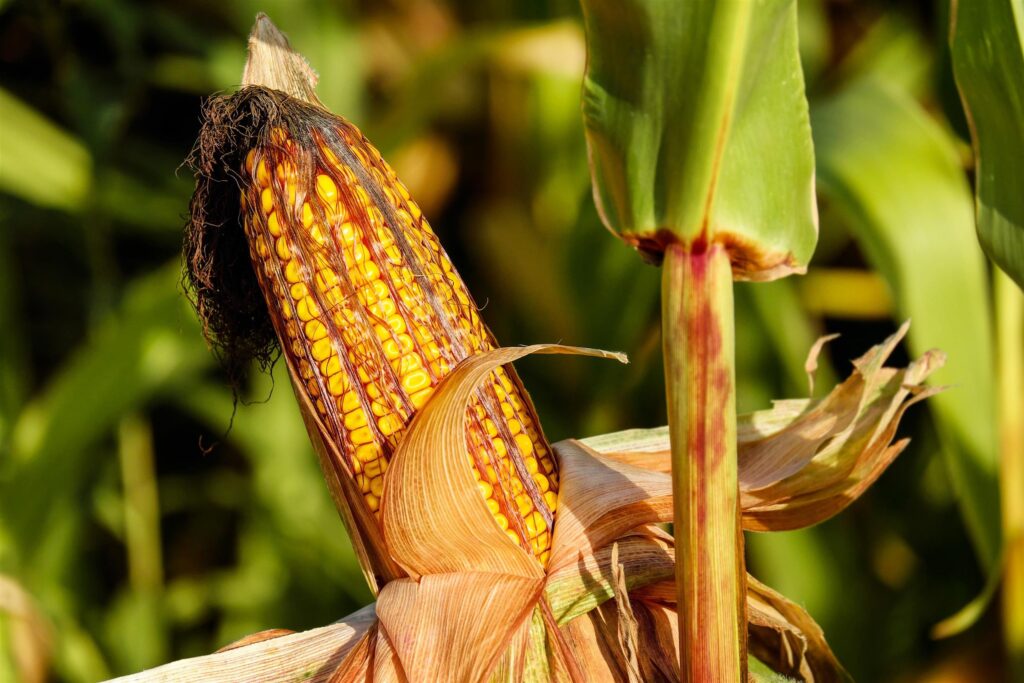
Plants, like people, are constantly making proteins. Making proteins requires energy and resources. A plant that is genetically altered to make a few extra protein types to kill insects (such as bT is making) have to produce these additional proteins all the time from every single cell in the plant. That is very tiring for a plant. It cannot be healthy and strong while trying to spend all those extra resources making bT proteins. That would be like a human working 20-hour days every day.
Because a plant with bT traits is always weak, it will still be targeted by bugs that lay their eggs to eat and clean up that plant. Those eggs hatch, those worms are taking a bite and only then are dying from eating the bT the plant produced. Since those eggs are being laid on the plant, it goes to show that that plant was targeted to be eaten because the plant was already unhealthy.
With the advent of bT corn, there has been an increase in corn rootworm. The bT does not affect this rootworm. The rootworm is attacking weak corn.
The key: The GMO plant is tired. It cannot rise to a high Brix. A Brix of 14 is impossible on GMO crops.
Soybean Aphids
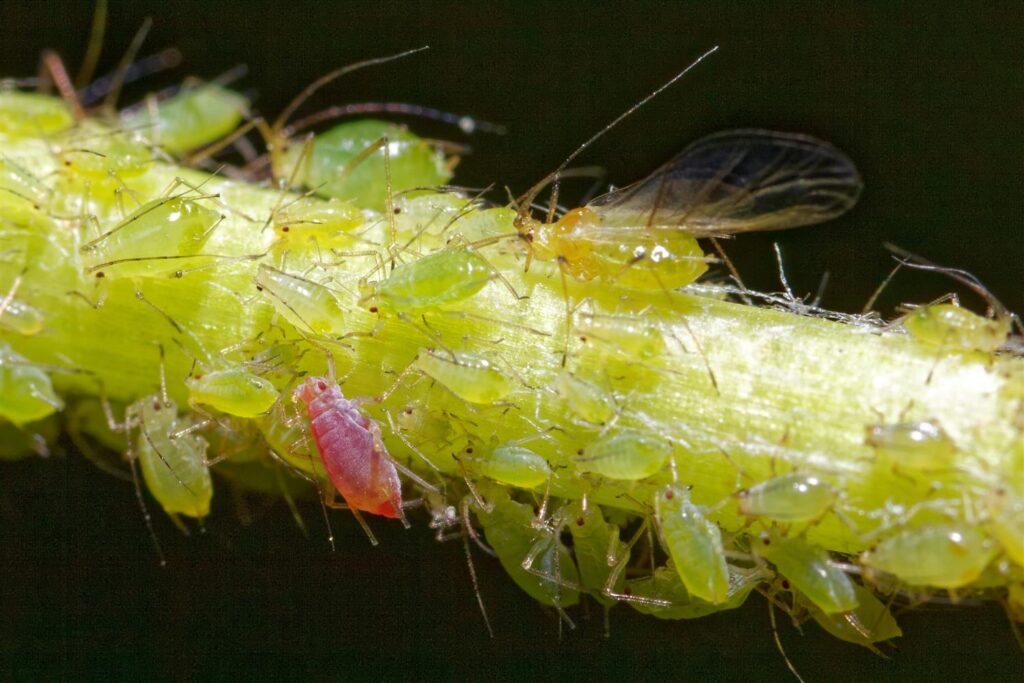
The soybean aphid was identified in 1917 but was unknown to farmers. Only three years after GMO soybeans were released as a seed option did aphids appear en masse. Genetic modification has weakened soybean plants to the point of aphids being a major pest. They are, at minimum, the #3 pest to many growers, the #1 pest to some.
Unhealthy soybeans contain much higher levels of ammonia in their tissue. Aphids are very attracted to ammonia.
Summary
Let’s be mindful of how close we’re keeping our plants. Let’s also not use GMO seeds. These plants cannot achieve a healthy high Brix level. Try these suggestions and let’s see how it turns out.
Read How to Raise Brix in Plants – Part 1.
Read How to Raise Brix in Plants – Part 2.
Leave a Reply